
Overhead vs Underground Power
When arranging a new electricity connection or planning electrical infrastructure for a property, one of the decisions you may encounter is whether to install overhead or underground power.
Both options have their advantages, and neither is necessarily better in every situation. The right choice depends on factors such as cost, property layout, existing infrastructure and the requirements of your electricity distributor.
So, what are the main differences?
What's the Difference?
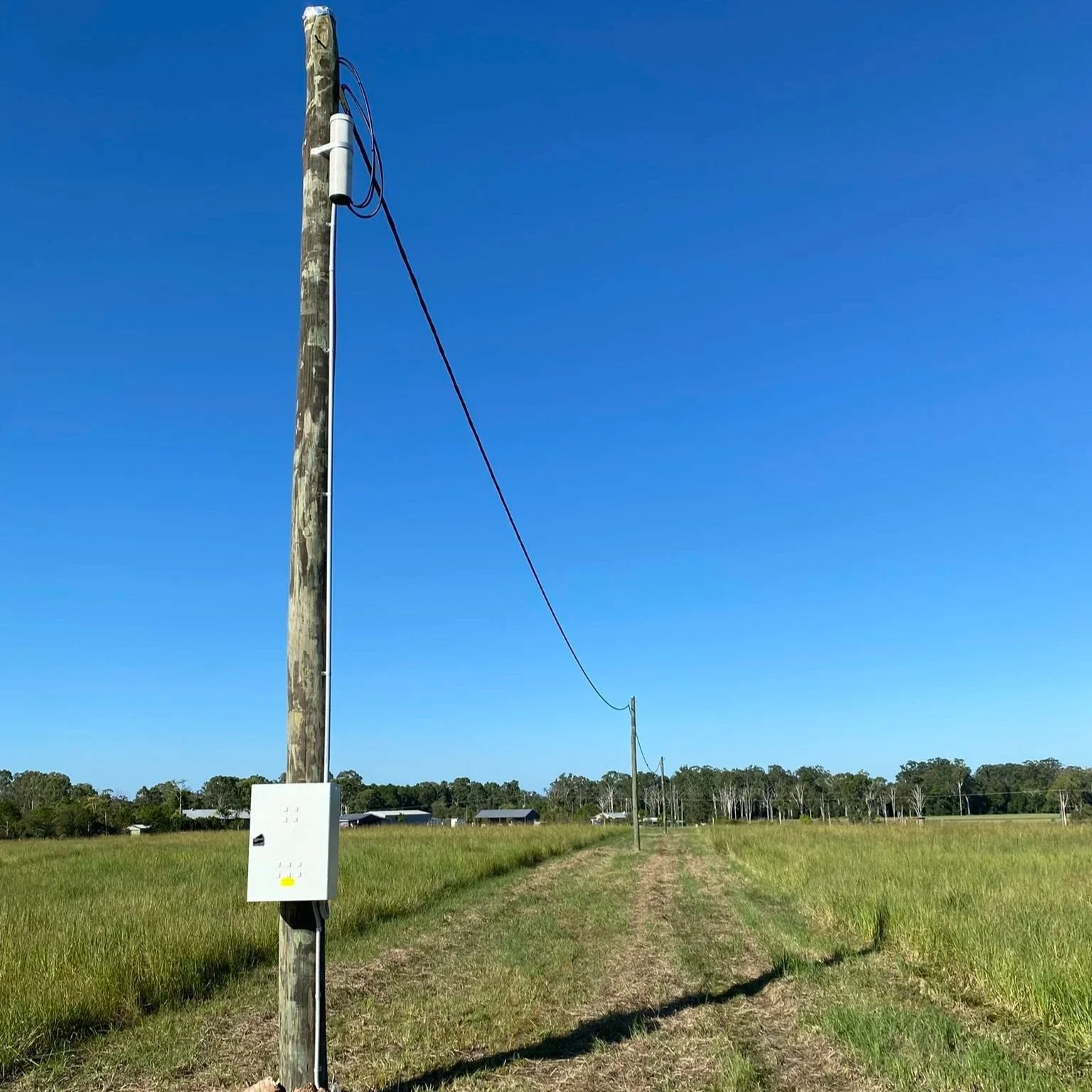
Overhead
Overhead power is supplied through electrical conductors supported by power poles. It's a familiar sight across Queensland, particularly in rural areas and established suburbs.
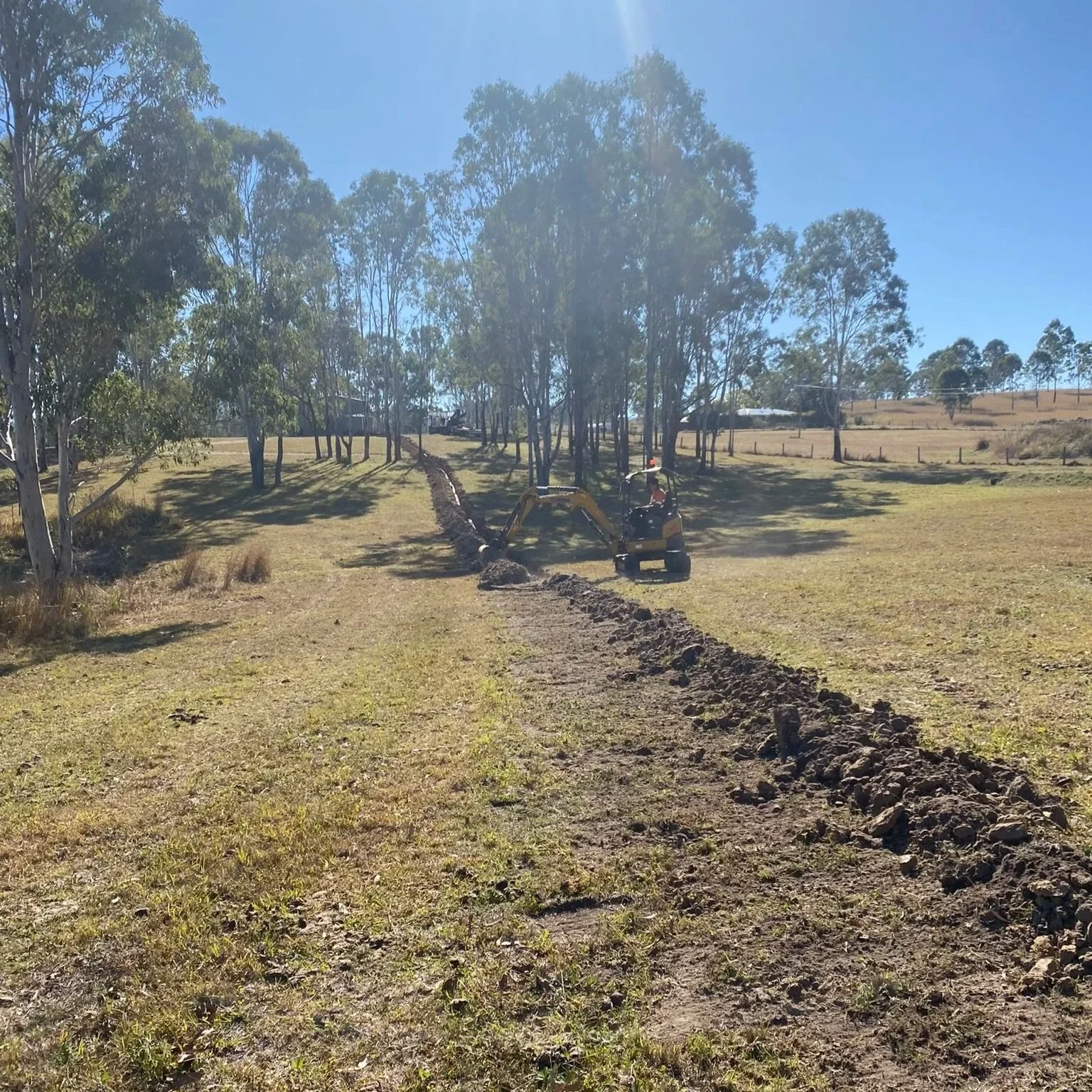
Underground
Underground power uses electrical cables installed below ground within protective conduits or through other approved installation methods.
Both systems deliver electricity, but the way they're constructed, maintained and integrated into a property can be quite different.
Installation Costs
For many property owners, cost is one of the biggest considerations. Overhead power is often more economical to install, particularly over longer distances or across rural properties. Installing poles and overhead conductors can involve less excavation than an equivalent underground installation. Underground power generally involves additional civil works, including trenching, conduit installation and reinstatement of disturbed areas. Ground conditions, existing services and access restrictions can also influence the cost. However, overhead isn't always the cheaper option. Difficult terrain, access limitations or the need for additional infrastructure can significantly affect either method. The most reliable way to compare costs is through a project-specific assessment.
Appearance and Property Layout
One of the biggest advantages of underground power is its appearance. With cables installed below ground, there are fewer visible poles and overhead wires. This can be particularly appealing for residential properties, landscaped areas and new developments where appearance is an important consideration. Overhead power is more visible, but it can also be a practical solution for large rural properties where installing underground cables over considerable distances may be costly. The layout of the property, existing buildings, driveways and future development plans can all influence which option is more suitable.
Reliability and Weather
Queensland's weather can present challenges for both overhead and underground electrical infrastructure. Overhead power lines are exposed to strong winds, falling trees, lightning and other storm-related damage. This can make them more vulnerable to certain weather events. Underground cables are generally less exposed to these hazards, but they aren't immune to faults. Flooding, ground movement, deterioration and accidental damage during excavation can all cause problems. While overhead faults may be easier to locate visually, underground faults can sometimes take longer to identify and repair because the cables are buried. Neither option guarantees an uninterrupted electricity supply.
Maintenance and Repairs
Overhead infrastructure is generally more accessible for inspections, maintenance and repairs. However, poles and conductors remain exposed to the environment and may require attention over time. Underground infrastructure avoids many of these exposure-related issues, but accessing buried cables for repairs can involve specialised equipment and excavation. It's also important to consider future works. If you plan to build a shed, install a driveway or undertake landscaping, knowing where underground electrical cables are located is essential to avoid accidental damage.
Can You Choose Either Option?
Not always. Although property owners may have a preference, the available options depend on the existing electricity network, the proposed connection and the applicable Energex or Ergon Energy Network requirements. For example, a new subdivision may be required to incorporate underground electricity infrastructure, while a rural property may be better suited to an overhead connection. In some circumstances, a combination of overhead and underground infrastructure may be appropriate. The final arrangement may need to be determined through an approved electrical design and the relevant network connection process.
Which Option Is Right for Your Property?
There isn't a single answer that suits every project. Overhead power may be a practical and cost-effective choice for properties with long connection distances or suitable existing infrastructure. Underground power may be preferable where appearance, property layout or reduced exposure to overhead hazards is a priority. Before deciding, it's worth considering your budget, the location of existing electricity infrastructure, access for construction and any future plans for the property. Getting advice early can help you understand what's achievable and avoid unnecessary costs or changes later.
Overhead and Underground Construction with Nifty Electrical
Nifty Electrical Services is an Energex and Ergon Energy Accredited Service Provider, with accreditation covering overhead and underground electrical construction.
Our team undertakes a range of electrical infrastructure works, from private power pole installations and new property connections through to overhead and underground network construction.
With our own specialised plant and equipment, we can assist with the construction requirements of projects throughout South East Queensland and the Wide Bay region.
Planning a new electricity connection or electrical infrastructure project?
Contact Nifty Electrical Services to discuss your requirements and the available options.